Guides
The honest answer: neither wins everywhere. Curtains bring softness, warmth and a finished look; blinds give precise light control and a tidy, space-saving fit. The right choice comes down to the room, the window and the light you're managing — and plenty of rooms end up best with both. Here's how to decide, room by room.
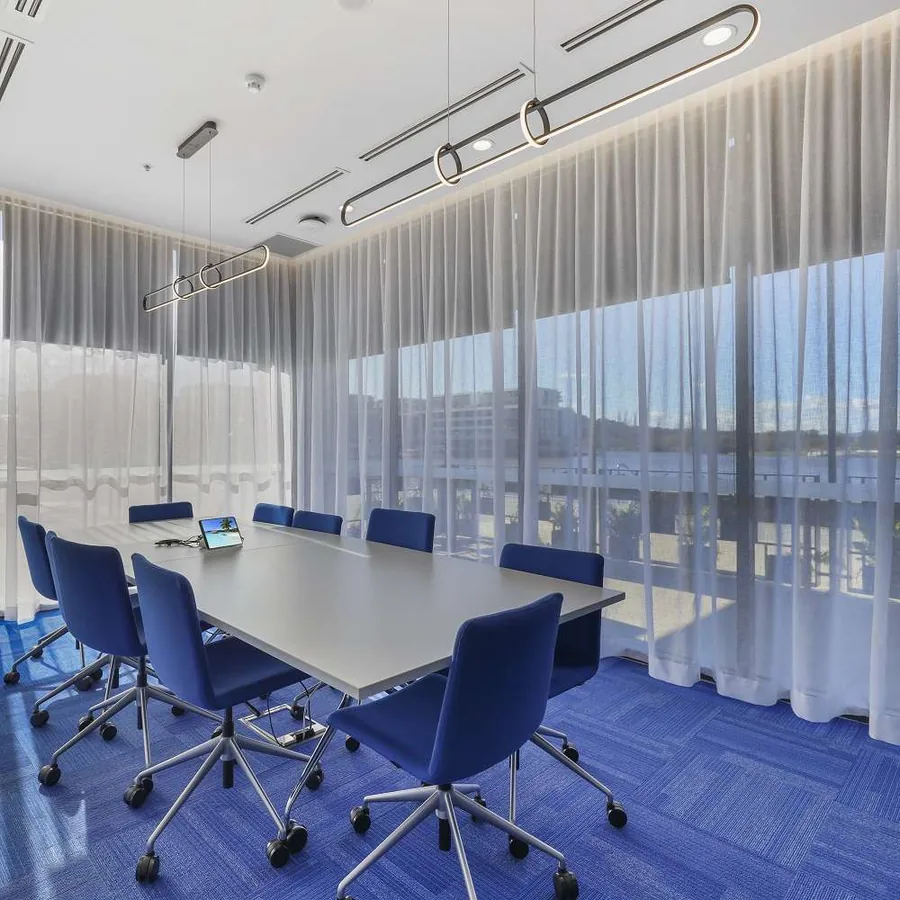
Curtains soften a room and make it feel finished. Fabric adds warmth, a bit of drama, and a sense that a space is complete in a way a hard blind rarely does on its own. They're the better choice when you want to:
We hand-sew our curtains in our Bathurst workroom and hang them ourselves, so they're made to your windows rather than pulled off a shelf.
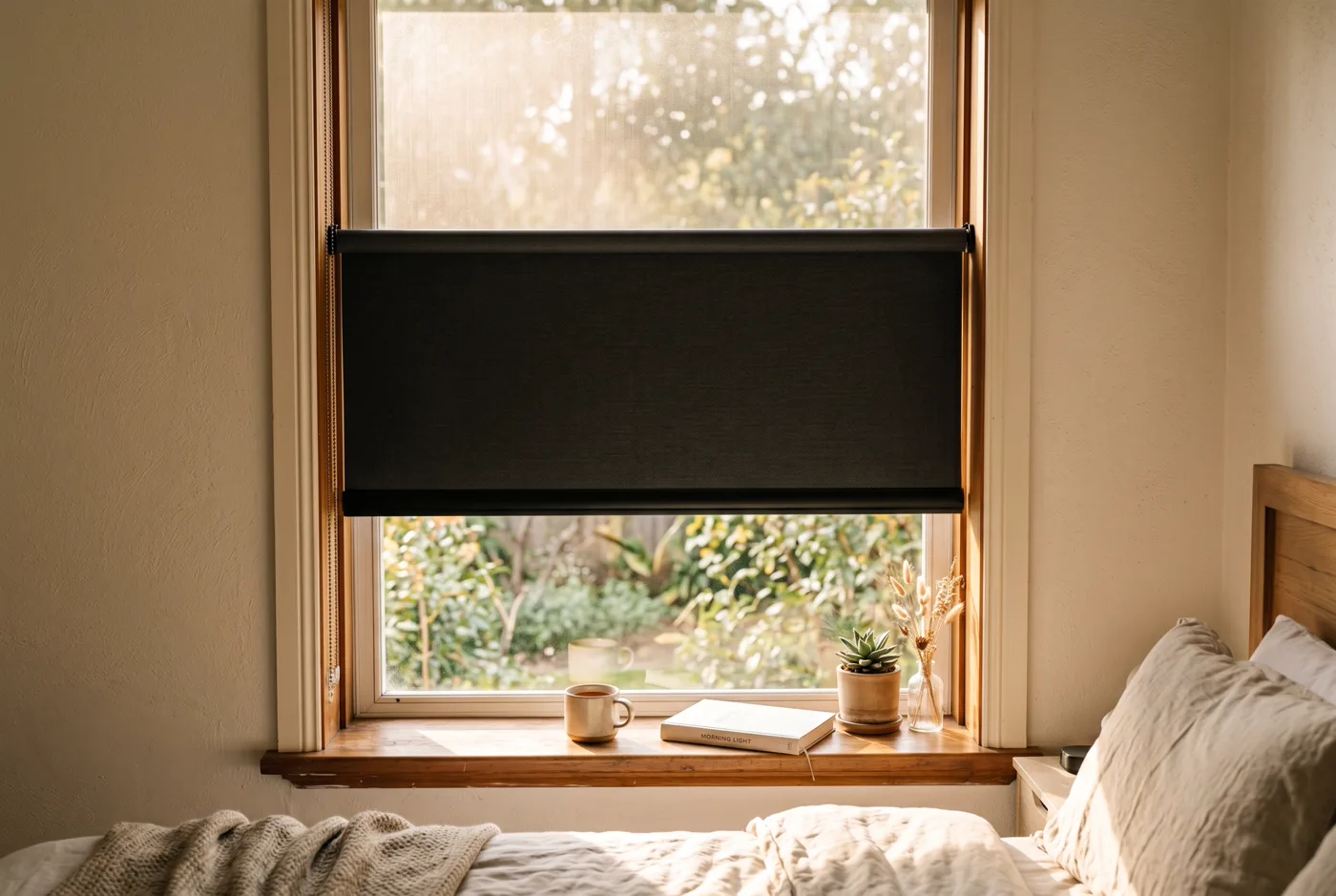
Blinds give you precise control and a clean, space-saving finish. Where a curtain is soft and generous, a blind is neat and exact. Reach for blinds when you want to:
Here's the part people don't expect: curtains and blinds aren't an either/or. The setup that solves most living rooms and bedrooms is to run both — a blind for control, and curtains to soften and finish. Two common ways to do it:
If you like the idea of both, our blinds-and-curtains combinations are made to work together on the one window.
The quick version, room by room:
On a like-for-like window, a simple blind is usually the lower starting price and curtains the bigger spend — but it depends far more on the fabric, the size and how you finish it than on "blind vs curtain" as a category. A large window in a quality curtain with a pelmet costs more than a plain roller; a premium timber shutter costs more than either. Both last for years when they're made well and fitted properly.
Rather than guess, the useful number is the one for your actual windows — so we bring the samples to you and quote it on the spot. The measure and quote are free.
If you're stuck: start with the job the window has to do. Need darkness, glare control, or a neat fit in a wet or tight space? Lead with a blind. Want warmth, softness and a finished look? Lead with curtains. Want all of it — which is most living rooms and bedrooms — layer the two. There's no wrong answer, only the one that suits how you use the room.
Curtains or blinds for a bedroom?
Both is the popular answer. A blockout blind or curtain gives you the darkness for sleep, and a softer curtain or sheer gives you daytime light and a finished look. On a street-facing bedroom, layering also sorts out night privacy.
Which is cheaper, curtains or blinds?
A simple blind is usually the lower entry price, and curtains the larger spend — but fabric, window size and finish move the price more than the category does. We quote it for your actual windows so you're not guessing.
Can you have curtains and blinds on the same window?
Yes, and it's one of the most popular setups. A blind handles the light and privacy; curtains soften and finish the window. We make them to work together on the one window.
Which is better for heat and insulation?
Lined curtains, especially with a pelmet, are the stronger insulator — the fabric and the trapped air do real work against cold and heat. A honeycomb blind is the best-insulating blind if you'd rather not have curtains.
Are blinds or curtains better for big windows?
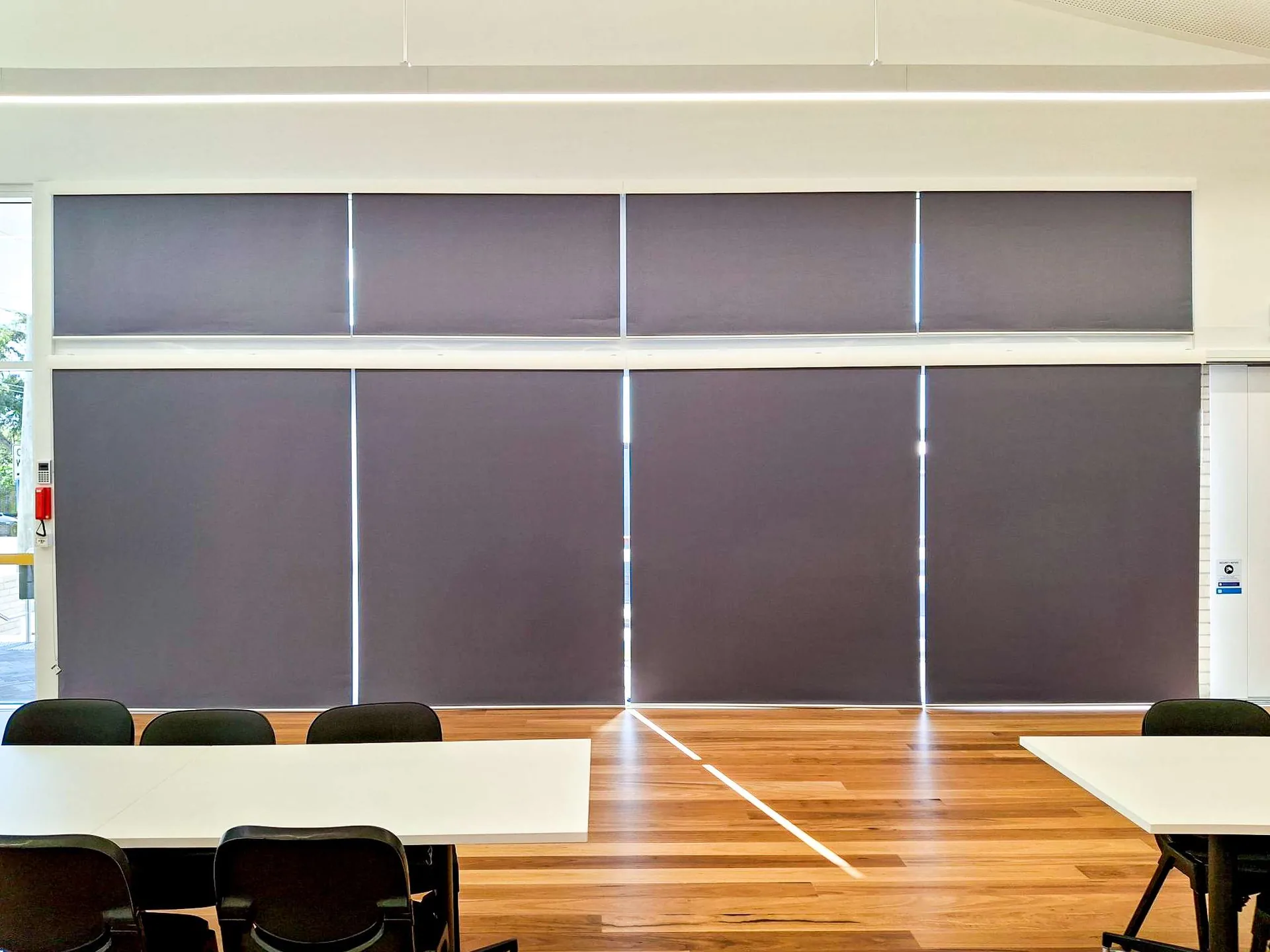
Large and feature windows usually suit curtains for the drape and movement, often with a blind behind for control. Very wide openings can also use panel glides or a wide roller — we'll advise what hangs and operates best at that size.
Quicksew has been making and installing window furnishings in Bathurst since 1977. We make both — curtains hand-sewn in our own workroom, and blinds and shutters custom-made and installed by our own team across the Central West and Sydney — so we can look at your rooms and tell you straight which suits each window. Book a free measure and quote and we'll bring the samples to you. Call (02) 6332 2144.
Custom-made and installed by our own team since 1977. Book a free in-home measure and quote.
Book a Free Measure & Quote.svg)